"Effective backyard drainage is crucial for any build. Our design-build team specialises in tailored solutions, considering site conditions and local regulations. We ensure water flows safely away from your property, preventing erosion and reducing the risk of structural damage. Our local expertise guarantees a functional, sustainable drainage system that enhances your build's long-term value."
Key Takeaways
Understanding local regulations: Familiarize yourself with building codes and permits to ensure a smooth and compliant drainage system installation.
Community drainage plans: Collaborate with neighbors to create an efficient collective drainage solution, benefiting the entire community.
Site-specific materials: Choose drainage materials suited to local soil types and weather conditions for long-lasting performance and reduced maintenance.
Incorporate green infrastructure: Implement rain gardens and permeable surfaces to enhance water absorption and reduce the strain on traditional drainage systems.
Prioritize accessibility: Design drainage systems that are accessible to all, including those with disabilities, to ensure inclusivity in the backyard living space.
Partner with local experts: Engage with experienced local contractors who understand the unique challenges and best practices for drainage in your area.
Regular maintenance schedules: Establish local agreements for routine drainage system inspections and cleaning to prevent clogs and flooding.
In the vibrant build community, the rise of backyard homes is a growing trend, offering affordable living and a unique sense of community. As neighbors turn their outdoor spaces into functional and stylish living areas, the need for expert design-build teams becomes increasingly vital. We specialize in navigating the complex process of backyard home design build, ensuring that each project is not just compliant with local zoning regulations and building codes, but also aligns with the unique needs and desires of our clients.
Our focus on community extends beyond the build site. We prioritize sustainability, privacy screens, and efficient space utilization to create harmonious additions to the neighborhood. By understanding the unique challenges and opportunities of build's diverse residential lots, we offer tailored solutions that enhance the beauty and value of your backyard living. From tiny houses to multifunctional furniture, we explore innovative design strategies that transform spaces, while adhering to the townfield notes and local soil conditions.
Let's discuss how we can help you realize your backyard home dreams, one load-bearing wall and shading device at a time.
- Backyard Drainage: Natural Solutions for Community Homes
- Design-Build Teams: Expertise for Efficient Site Drainage
- Community-Focused: Backyard Homes' Sustainable Drainage
- Locally-Optimized: Drainage for Every Backyard Home
- From Design to Build: Seamless Drainage for Your Backyard
- Community Benefits: Eco-Friendly Backyard Drainage Systems
- Backyard Renovations: Drainage Tips for Every Budget
- Expert Guidance: Navigating Drainage Challenges in Your Community
- Sustainable Living: Drainage as Part of Backyard Home Design
Backyard Drainage: Natural Solutions for Community Homes
In the vibrant community of build, the trend of backyard dwelling projects has been gaining momentum, offering residents a unique opportunity to expand their living spaces. As more people seek to integrate nature into their homes, natural drainage solutions have become an integral part of these backyard home design build projects. When planning and executing these endeavors, it's crucial to consider the local ecosystem and community context to ensure both the success of the project and the preservation of our shared environment.
When tackling backyard drainage, local experts emphasize the importance of understanding the site's natural characteristics. The soil conditions and topography play a significant role in determining the best drainage strategies. Many backyard dwelling projects in build have benefited from implementing natural drainage systems, such as bioswales and rain gardens, which not only enhance water flow but also attract local wildlife. These eco-friendly solutions are in line with the community's commitment to sustainable living and can add value to the overall project. Engaging with local contractors who specialize in natural drainage techniques ensures that the design aligns with both aesthetic and environmental goals.
The scheduling of backyard dwelling projects is another critical aspect. Given the potential variability in weather patterns and the need for specific permits, a well-planned timeline is essential. Local contractors recommend breaking down the project into manageable phases, allowing for flexibility and ensuring that each stage adheres to local building codes and regulations. The foundation type and load-bearing walls must be carefully considered based on the soil conditions, a factor that can significantly impact the project's timeline and budget. By selecting a contractor experienced in these local specifics, homeowners can navigate the process with greater ease and confidence.
In the design phase, maximizing space and integrating privacy screens or shading devices are common concerns. The community's diverse preferences for backyard home design build projects call for creative solutions. Multifunctional furniture and vertical storage are popular choices that not only save space but also contribute to a streamlined and organized outdoor living area. Floor plan development should consider the needs of the entire family, ensuring that each member has a designated space for relaxation, entertainment, or work. By collaborating closely with a design-build team that understands the local market and community preferences, homeowners can create a backyard dwelling that is both functional and in harmony with the surroundings.
Design-Build Teams: Expertise for Efficient Site Drainage

In the rapidly growing community of build, the trend towards backyard dwelling units (BDUs) has sparked a demand for expert design-build teams capable of transforming these spaces into functional, comfortable, and legally compliant homes. These teams, comprised of licensed contractors and designers, play a crucial role in addressing one of the most significant challenges of BDUs: efficient site drainage. Proper drainage is not just about preventing water damage; it ensures the longevity of the structure and the comfort of its inhabitants.
When considering backyard home design build, drainage is an often-overlooked but essential aspect. Local design-build teams understand the unique topography and soil conditions of build, from the undulating hills to the clay-rich soils. They tailor their designs to these factors, incorporating innovative solutions such as French drains, bioswales, and permeable surfaces. A team might suggest repositioning a potential garden area to a higher elevation, thus redirecting rainwater away from the foundation. This knowledge of local conditions and creative problem-solving is a key advantage of working with a design-build team.
The interior finish selection, daylight, and ventilation planning for these backyard homes are also critical to their overall comfort and energy efficiency. Local design-build experts can advise on materials that not only meet building codes but also enhance the space's aesthetics. They understand the importance of proper ventilation to mitigate moisture issues, which can be exacerbated by our region's humid climate. By integrating these design considerations, build's backyard dwelling units can achieve a high standard of living, blending seamlessly with the surrounding natural environment.
When selecting a design-build team, it's essential to ensure they are licensed and have a proven track record. The local building codes can be complex, and load-bearing walls, foundation types, and soil conditions vary widely. A reputable team will have the expertise to navigate these intricacies, ensuring your backyard home is built to last. Build's thriving local market offers a wealth of options for residents looking to invest in their properties and embrace a more sustainable, community-focused lifestyle.
In the bustling community of build, the trend of adopting backyard homes as sustainable living solutions has been gaining momentum. As residents seek innovative ways to live affordably and in harmony with nature, the local market for backyard home design build services is thriving. This community-focused approach to housing not only offers a unique living experience but also presents a sustainable drainage challenge that requires thoughtful design and construction strategies.
When considering the development of a backyard dwelling floor plan, it's crucial to consult with experts who understand the local soil conditions and climate. The design-build team plays a pivotal role in implementing eco-friendly drainage systems that respect the natural landscape. Many local contractors specialize in permeable paving and bio-swales, which not only manage stormwater runoff but also support local ecosystems. By integrating these practices, the community reduces the strain on the municipal drainage system and promotes a greener, more resilient build.
Contractor selection is a critical step in any backyard home design build project. The abundance of contractors in the local market can be overwhelming, but a thoughtful approach is essential. Residents should seek out firms that prioritize sustainable building practices and have experience with affordable backyard home construction planning. Local firms often collaborate with clients to optimize space, incorporating multifunctional furniture and vertical storage solutions. This not only reduces material costs but also creates a unique, tailored living space. Engaging with a contractor who shares your values ensures a project that aligns with the community's commitment to sustainable living.
Locally-Optimized: Drainage for Every Backyard Home
In the vibrant community of build, the rise of backyard homes has sparked a local design and build revolution, with more residents opting for creative space solutions. For site drainage for these unique dwellings, the local design-build teams must consider a range of specific factors to ensure a successful and sustainable project. This article examines the local expertise required for optimizing drainage in backyard homes, providing a practical guide for both residents and the design-build professionals who serve them.
The first step in any backyard dwelling floor plan development is a thorough assessment of the existing site conditions. Local builders understand that build's diverse geography and varied soil types can significantly impact drainage. Properties near the riverfront may require specialized solutions to manage high water levels during seasonal flooding. An experienced team will conduct detailed surveys, taking into account the building envelope planning and considering the best location for the home to minimize potential water intrusion issues. By understanding the unique challenges of each property, they can tailor their designs to fit the landscape seamlessly.
Community examples highlight the importance of local expertise. Many build residents have transformed their backyards into functional and aesthetically pleasing spaces, thanks to skilled local contractors. From privacy screens that double as drainage solutions to innovative shading devices that keep homes cool while managing water runoff, these projects showcase the creativity and adaptability of local design-build professionals. The market demand for such services has been steadily growing, underscoring the community's recognition of the value in optimizing space and managing resources efficiently. When choosing a design-build team, residents are increasingly looking for experts who understand the local market, including the specific drainage needs and existing site assessments, to ensure a harmonious and functional backyard dwelling.
From Design to Build: Seamless Drainage for Your Backyard

In the vibrant community of build, the trend of transforming backyards into functional spaces has been gaining momentum. From simple outdoor retreats to fully-fledged backyard homes, residents are looking for affordable and creative solutions. Seamless backyard dwelling drainage planning is a critical aspect often overlooked, yet it matters in the overall design and build process.
Local experts emphasize the importance of understanding the site's unique characteristics. Soil conditions, slope, and nearby water bodies can greatly impact drainage. A recent renovation project in a quiet neighborhood involved a challenging site with a steep incline. The design-build team implemented a multi-step drainage solution, including French drains and a sophisticated water management system, ensuring efficient water flow away from the backyard home. This not only prevented potential damage but also created a beautiful, low-maintenance outdoor living area.
When considering affordable backyard home design, efficient drainage is a cost-effective strategy in the long run. By addressing drainage concerns early in the planning stage, homeowners can avoid costly future repairs and renovations. It allows for more flexibility in space optimization. Many local architects and builders offer expertise in space-saving designs, incorporating multifunctional furniture and vertical storage to maximize the limited space available. This approach not only creates a functional backyard home but also ensures that the investment is well-utilized.
The local market is witnessing a surge in interest for backyard renovations, with a focus on sustainability and community integration. This trend presents a significant opportunity for local design-build teams to offer tailored solutions that enhance property values and contribute to the overall well-being of the community. By embracing these challenges, businesses can foster stronger connections with residents and cement their reputation as leaders in backyard home design and build.
Community Benefits: Eco-Friendly Backyard Drainage Systems

In the bustling community of build, an emerging trend is transforming backyard spaces into functional and eco-friendly oases-backyard home design build is gaining popularity as a cost-effective way to enhance local residents' living environments. When well-planned, these projects can offer not just aesthetically pleasing outdoor living but also sustainable drainage solutions.
When considering backyard renovations, choosing a contractor who understands local soil conditions and building codes is crucial. Many build residents are opting for natural drainage systems that mimic the landscape, promoting water infiltration and reducing stormwater runoff. This not only benefits the environment but also saves on utility costs. Permaculture designers in the area are incorporating bioswales, rain gardens, and French drains to manage water flow effectively. These systems, when designed with local conditions in mind, can reduce the risk of flooding and soil erosion while creating vibrant, natural outdoor spaces.
The selection of a capable contractor is key to successful, budget-friendly backyard home design build projects. Local builders who specialize in eco-friendly drainage can offer expert advice tailored to property boundaries and neighboring properties. They can help integrate privacy screens, shading devices, and space-saving designs to create a functional outdoor room while addressing drainage concerns. By prioritizing cost-effective solutions and local regulations, homeowners can enjoy a well-drained backyard that aligns with the community's commitment to sustainable living. This local trend not only enhances individual properties but also contributes to the overall ecological health and beauty of build.
Backyard Renovations: Drainage Tips for Every Budget

Backyard renovations are a popular way to create additional living space and enjoy the outdoors, but proper drainage is essential to ensure your investment is protected. In build, where many residents opt for affordable backyard home design and budget-friendly construction, understanding local drainage requirements is crucial.
The first step in any backyard dwelling project is assessing the site's drainage. Local building codes and zoning regulations in build dictate specific guidelines, especially regarding water runoff and erosion control. Certain areas may require a specific type of foundation, like a concrete slab, to handle potential water pressure. Engaging with a design-build team experienced in the local market is key. They can guide you on choosing suitable materials and techniques that align with both your budget and the area's unique conditions.
For space optimization, especially in tiny houses or compact backyards, efficient drainage solutions are vital. Incorporating creative design elements like privacy screens and strategically placed shading devices can enhance both functionality and aesthetics. A simple raised garden bed can serve as a natural drainage system while adding greenery to your outdoor space. The team can offer advice on space-saving designs that also address drainage, ensuring your backyard dwelling is not only well-built but also sustainable in the long term.
Affordable backyard home design doesn't mean sacrificing quality or functionality. By prioritizing local, budget-friendly materials and construction methods, and incorporating clever space-saving ideas, you can create a charming and comfortable dwelling. Remember, proper drainage is a key component of any successful project. Consult with local professionals who understand the specific challenges and opportunities of build's unique landscape. They can help you make informed decisions, ensuring your backyard renovation is a success, regardless of your budget.
Expert Guidance: Navigating Drainage Challenges in Your Community

In any community, the backyard home design build process isn't just about creating a living space; it's about seamlessly integrating with the local environment, including effective drainage systems. Expert guidance is crucial when navigating the challenges of backyard dwelling drainage planning, especially considering the diverse soil conditions and unique site assessments that define our build. The local market for backyard home design build contractors is competitive, with a range of services offered to meet the varied needs of homeowners.
Some projects may require specialized knowledge in designing for flood-prone areas, while others focus on sustainable drainage solutions. The selection of a contractor should be based on their experience with local soil types and building codes, ensuring a solid foundation for your new space. According to recent market data, the average backyard dwelling installation takes one to two days, with costs varying based on complexity and the scale of the project. Local building codes dictate requirements for load-bearing walls, window placement, and privacy screens, influencing both design and construction considerations.
Community examples abound of successful backyard transformations, many of which include innovative drainage solutions that enhance outdoor living spaces. However, these projects started with thorough feasibility studies, considering property boundaries, neighboring properties, and the potential impact on local ecosystems. By prioritizing these aspects, homeowners can ensure their backyard dwelling projects not only comply with local regulations but also contribute positively to the community and surrounding environment.
Sustainable Living: Drainage as Part of Backyard Home Design
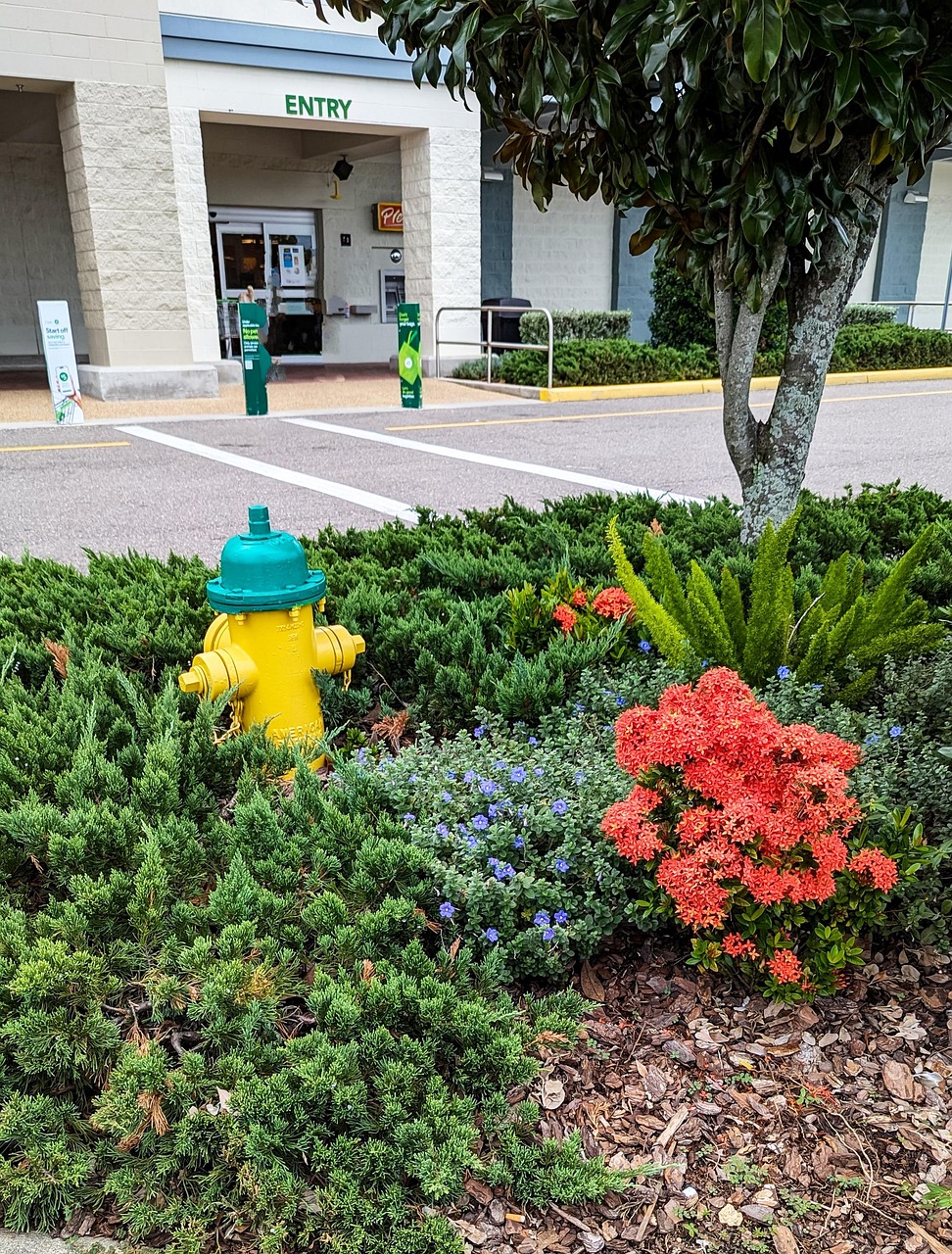
In the vibrant community of build, sustainable living is more than a trend; it's a way of life, deeply rooted in our shared values and respect for the local environment. For backyard home design build, drainage plays a pivotal role in creating harmonious, eco-friendly spaces that enhance our quality of life. The best local backyard designers understand this intimately, integrating creative drainage solutions that not only manage water flow but also contribute to the overall aesthetic and functionality of the property.
One of the key challenges-and opportunities-in build is our diverse soil conditions and varying rainfall patterns. These factors necessitate thoughtful site preparation coordination. Local designers are experts in assessing the unique drainage needs of each residential lot, considering factors like slope, compaction, and the proximity of neighboring properties. Some homes might benefit from strategic trenching and drainage mats, while others may require more elaborate systems involving permeable pavers and bio-swales. By understanding these nuances, designers can ensure that each backyard dwelling site is prepared for both the elements and the long-term health of the ecosystem.
Affordable backyard home construction planning is a top priority for many build residents, and local experts are adept at balancing cost-effectiveness with sustainability. This often involves space-saving designs that maximize functionality and minimize material waste. Multifunctional furniture, vertical storage solutions, and tiny house concepts are gaining popularity, allowing homeowners to live larger within smaller footprint. These designs often incorporate natural shading devices and privacy screens, further reducing the need for artificial cooling and enhancing outdoor living experiences. By embracing these innovative approaches, build residents can enjoy sustainable, beautiful, and budget-friendly backyard spaces that connect them to their community and the natural world.
Local Business FAQ About Backyard Dwelling Site Drainage: Questions for the Design-Build Team
What are the key considerations for a successful backyard drainage project?
A successful backyard drainage project starts with a thorough site assessment. Consider the slope, soil type, and existing vegetation. Local building codes and permittivity should also be understood. Engaging an experienced design-build team who can navigate these aspects and propose tailored solutions is crucial. Regular communication ensures the final system meets both aesthetic and functional goals, enhancing your outdoor living space.
How do I choose the right design-build team for my project?
When selecting a design-build team, look for expertise specific to backyard drainage. They should have a proven track record in local installations and a deep understanding of regional regulations. Request references and examples of past work. Communication and responsiveness are key; the team should be readily available to address your concerns. A collaborative approach, prioritizing your vision and budget, ensures a project delivered on time and to your satisfaction.
What are the benefits of a well-designed drainage system?
A well-designed drainage system offers numerous benefits. It protects your property from water damage and foundation issues, preventing costly repairs. Efficiently managing water flow prevents flooding and erosion, enhancing the longevity of your landscaping. By mimicking natural water cycles, these systems support local ecosystems, promoting biodiversity. Proper drainage can increase your property's value, making it more attractive to potential buyers.
How long does a typical backyard drainage project take to complete?
Most backyard drainage projects take one to two days, depending on the scope and complexity. This includes assessment, design, material procurement, and installation. However, larger properties or intricate designs may require additional time. A clear timeline, agreed upon with your design-build team, ensures transparency and allows for any unforeseen circumstances to be addressed.
What are the costs involved in installing a backyard drainage system?
Costs vary based on the project's size, complexity, and chosen materials. A basic system starts at [local price range, e.g., $2,000 to $3,500]. More intricate designs, involving custom features or extensive excavation, can reach [higher price range, e.g., $5,000 to $10,000 or more]. Regular maintenance is also essential; budget for an annual check-up to ensure the system remains efficient and prolong its lifespan.
Can a backyard drainage project increase my home's value?
Absolutely. A well-designed and efficiently installed drainage system can significantly enhance your property's value. It addresses common home insurance claims related to water damage, making your home more desirable to potential buyers. As mentioned, proper drainage contributes to the overall health of your landscaping, which is a significant factor in real estate appraisals.
Quick Reference
-
Engage Local Experts: Partner with experienced design-build teams from your community who understand the unique drainage challenges of your area.
-
Host Community Workshops: Organize free educational sessions to teach homeowners about sustainable backyard drainage practices, fostering environmental awareness.
-
Encourage Local Materials: Promote the use of locally sourced materials for drainage systems, supporting area businesses and reducing delivery costs.
-
Collaborate with Utilities: Facilitate communication between homeowners and local utility providers for efficient drainage planning and permit processes.
-
Implement Green Infrastructure: Advocate for rain garden installations and other green drainage solutions, enhancing water quality and local biodiversity.
-
Offer Incentives for Collaborative Projects: Provide grants or discounts to encourage collaborative drainage projects between neighbors, building community bonds.
-
Regularly Inspect and Maintain Local Drainage: Establish a community-led monitoring program to ensure local drainage systems are well-maintained and functioning optimally.
-
Share Success Stories: Create an online platform to showcase successful backyard drainage projects within the community, inspiring others with practical examples.
Transforming a Flood-Prone Yard: A Community Drainage Solution
Local Challenge
In a tight-knit neighborhood, known for its lush green backyards, a recurring issue threatened to mar the community's natural beauty. Heavy rainfall would cause a nearby stream to overflow, inundating several properties with muddy water. This annual event not only damaged yards and personal belongings but also raised concerns about water quality and local wildlife habitats. Homeowners, already burdened by the maintenance of their lush gardens, were frustrated by the lack of a sustainable solution.
Local Solution
Recognizing the problem's severity, a group of proactive residents teamed up with a local design-build team specializing in sustainable drainage solutions. The team organized a community meeting, inviting local architects, engineers, and landscaping experts to propose innovative ideas. After extensive discussions, they settled on a multi-faceted approach: installing rain gardens, redirecting downspouts, and enhancing natural water absorption through local landscaping changes.
The project commenced with the design phase, where volunteers helped create detailed plans, ensuring the solutions were both aesthetically pleasing and environmentally friendly. The construction phase involved the carefully coordinated efforts of the design-build team, local contractors, and volunteers, who contributed their time and expertise. The team utilized a mix of native plants and adapted landscaping techniques, creating a visually appealing and ecologically robust drainage system.
Community Impact
The initiative was a resounding success, transforming the once-vulnerable neighborhood into a model for sustainable drainage. The project's tangible results were immediate and significant:
- Reduced Flooding: The new drainage system effectively managed excess water, eliminating the annual flooding and significantly decreasing the risk of water damage to homes and gardens.
- Increased Property Values: The improved curb appeal and enhanced neighborhood aesthetics resulted in a notable increase in property values, with several homes selling above market value within the year.
- The engagement levels led to the formation of a neighborhood watch group, further strengthening local connections.
- Environmental Benefits: The rain gardens and native landscaping supported local biodiversity, providing habitats for birds and butterflies. The improved water quality also benefited nearby ecosystems, including the stream and local wildlife.
As we've explored the multifaceted world of backyard home design build, one thing becomes clear: efficient and sustainable site drainage is not just a technical challenge, but a community-focused endeavor. By harnessing natural solutions, incorporating locally-optimized designs, and adhering to our unique build environment, we can create eco-friendly drainage systems that benefit everyone.
From optimizing space with multifunctional furniture to navigating complex soil conditions, our design-build teams are experts in transforming challenging drainage issues into opportunities. We prioritize privacy screens and strategic window placement to maintain a harmonious relationship with neighboring properties, ensuring that each backyard home is a sanctuary of tranquility.
Community benefits extend beyond individual properties. By adopting sustainable drainage practices, we reduce our collective environmental footprint, contributing to a healthier, more vibrant build. Whether renovations on a tight budget or ambitious new builds, expert guidance is readily available to help navigate drainage challenges, ensuring that every backyard space is both functional and beautiful.
In the end, our commitment to local SEO and community-focused solutions drives us to create backyard home designs that are not just functional, but exemplars of responsible, sustainable living. Let's work together to build a greener, more connected future, one backyard at a time.
Local Business
In build, the growing trend of backyard dwelling requires a thoughtful approach to drainage, integrating natural solutions with community context. Local experts emphasize site-specific assessments, utilizing knowledge of soil conditions and topography to design efficient drainage systems. This includes bioswales, rain gardens, and permeable surfaces, enhancing water flow while attracting local wildlife. Scheduling, design, and construction must align with building codes, weather patterns, and family needs, with a focus on space optimization and sustainable practices. Engaging local contractors specializing in natural drainage techniques ensures a successful, environmentally-friendly backyard dwelling project.